Dr. Peter Sorger on How His Team Uses Orion™ for Both Discovery and Clinical Applications
The Harvard Medical School researcher explains why his group runs Orion in two complementary directions: high-plex cycling to find the earliest cancer lesions, then a focused mid-plex panel with H&E to carry those findings toward the clinic.
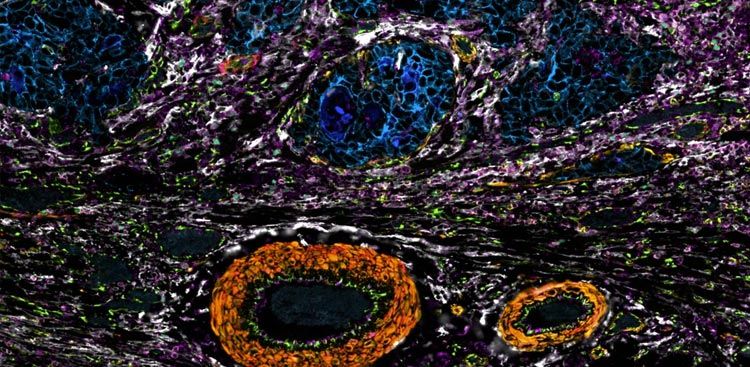
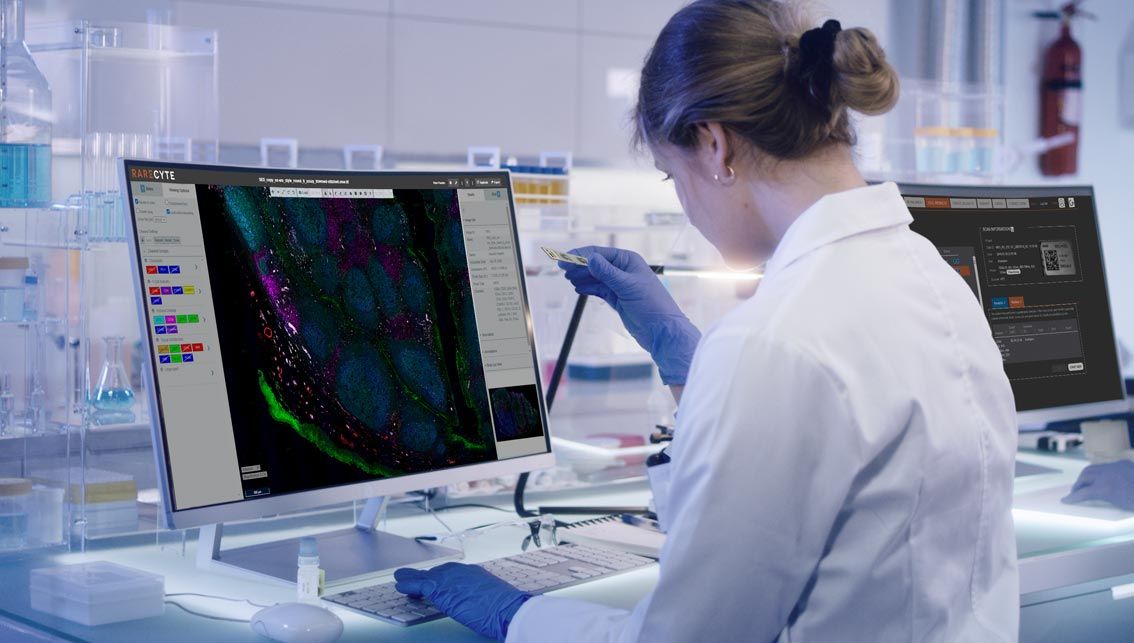
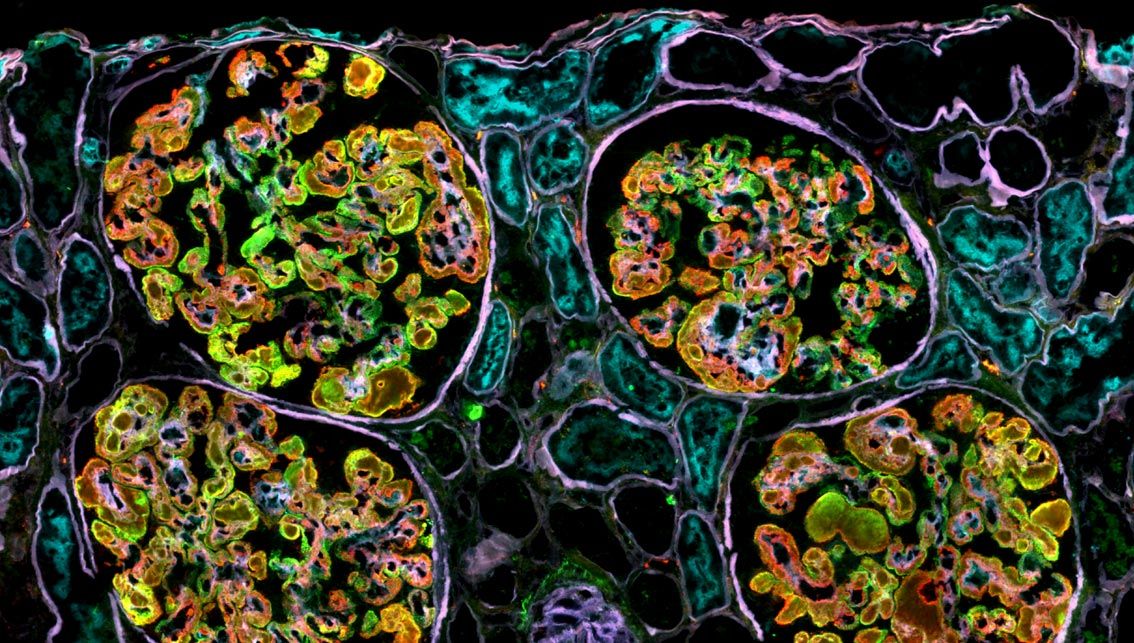
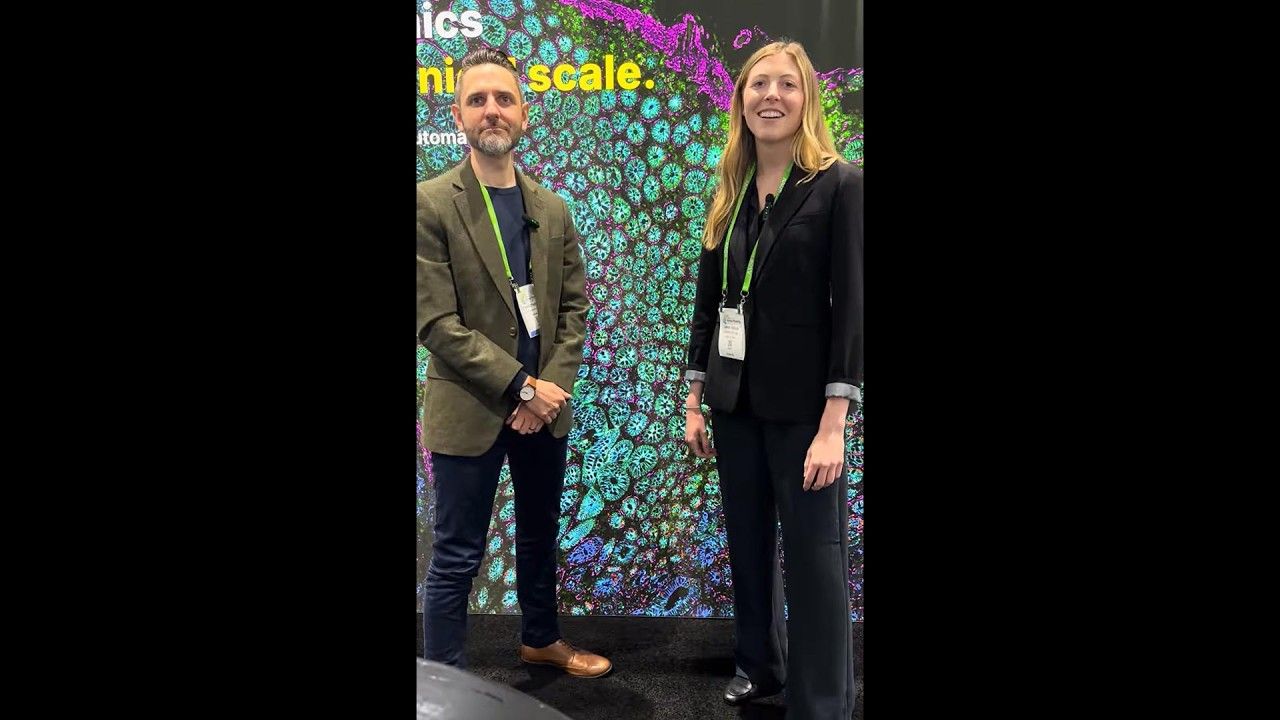
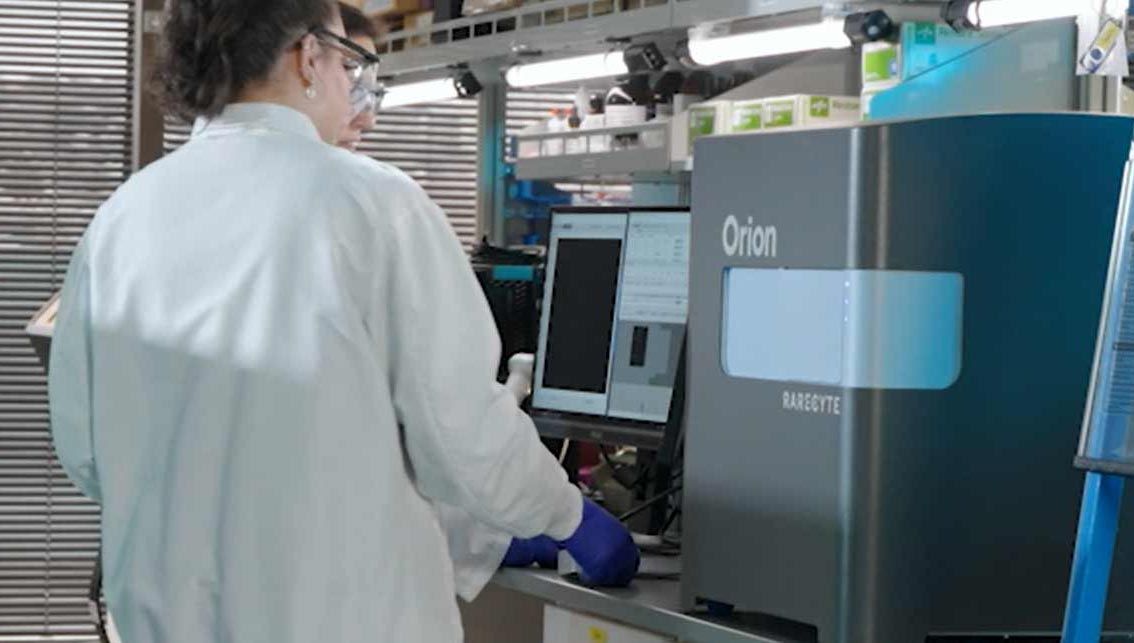
At AACR 2026, Dr. Peter Sorger of Harvard Medical School describes running Orion along two complementary paths on the same tissue. For discovery, his group cycles the platform into large 40- to 80-plex panels, imaging a broad set of tumor and immune markers in a first cycle and then drilling into specific populations such as T cells on the next. To carry a finding toward the clinic, the team deliberately reduces that complexity to a focused 12- to 14-plex panel Sorger calls “mid-plex multimodal,” keeping the critical H&E channel while lowering cost and sharpening the biological question the assay has to answer.
In this video:
- Sorger’s focus: earliest cancer lesions in melanoma, colorectal, and ovarian; catching dangerous ones early and telling them from less dangerous ones so intervention can cure.
- Two directions, one platform: the same tools serve high-plex discovery and a lower-complexity clinical assay that needs a focused question, lower cost, and higher performance.
- Discovery by cycling: cycling Orion yields 16 or 18 proteins per cycle (vs about three for the approach Sorger contrasts), building his team’s 40- to 80-plex discovery panels.
- Clinical by reduction: large panels are pared to a 12- to 14-plex “mid-plex multimodal” panel that keeps the critical H&E channel, what Sorger sees pushing forward clinically.
- Targeted, sequential biology: a first cycle images broad tumor and immune markers, then the next drills in a predetermined way into specific populations such as T cells.
- How Orion differs, in his view: the value is querying specific biology in parallel or sequence, not amassing a library of every protein, which he calls a lot more actionable.
Full transcript
Interviewer: We’re here at AACR. I’m with Dr. Peter Sorger from Harvard Medical School. The first question I had for you was just to hear a little bit about the latest research that your lab is doing.
Dr. Peter Sorger (Harvard Medical School): I think the thing that we’re most excited about at the moment is, in a couple of solid cancer types, melanoma, colorectal cancer, and ovarian cancer, we’re really trying to get at the earliest cancer lesions. So the things that are well before you would normally begin to treat, but are actually the origins of disease. The idea there is that if you can identify those early, and you can tell the dangerous ones from the less dangerous ones, you can intervene and get a cure. That’s the area that the research we’re doing with the spatial-profiling tools is really focused on at the moment.
Interviewer: And how do you see high-plex spatial proteomics tools like Orion advancing into clinical research?
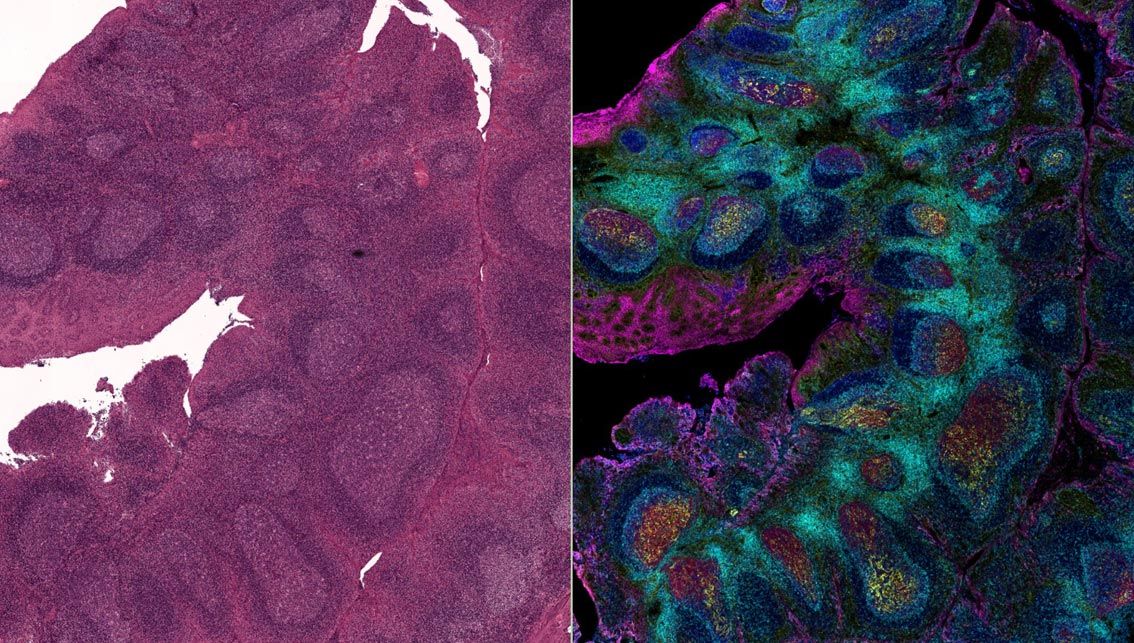
Dr. Peter Sorger: We imagine that it’s actually going to go in two complementary directions. One of them is now, with the ability to cycle on Orion, instead of getting three channels or three proteins each cycle, we’re getting 16 or 18. And so we can really do the high-plex discovery. But as you get into a clinical application, you actually need to then reduce that complexity. You need to do that both because you want to have a much more focused set of questions that you’re asking, and you obviously want to get the cost down and the performance up. So we would use, say, 40- to 80-plex discovery tools on the Orion, and then we will reduce those to fairly simple, maybe 12- to 14-plex, what we call mid-plex multimodal, because we also have the H&E channel, the critical H&E channel. And that’s what we really imagine pushing forward in a clinical setting.
Interviewer: And how is Orion different from other spatial proteomics tools you see on the market?
Dr. Peter Sorger: I think the difference that we’ve experienced is that we’re very focused on specific pieces of biology. We will often go through and look, let’s say in a first cycle, at a broad set of tumor markers in this case, but also immune markers. And then we’ll drill down in the next cycle, in a very predetermined way, into what we want to get out of T cells. So it’s really that capacity to query specific pieces of biology in parallel or sequentially that’s the key, as opposed to just a library of all the proteins you could acquire. It’s really answering specific questions, and it’s a lot more actionable.
Dr. Peter Sorger: All right, did that do it?
Interviewer: It did. Thank you. Thank you so much.
Transcript prepared from the interview’s automatic captions and edited for readability: speaker labels were added, filler words and obvious caption artifacts were removed, and the conference name was corrected to AACR. The speakers’ substance, and all technical details, quantities, and product names, are otherwise as spoken; statements are the participants’ own and may differ from formally published values.